2026 FHV Insurance Rate Hikes: What NYC Drivers Need to Know
Published on January 15, 2026
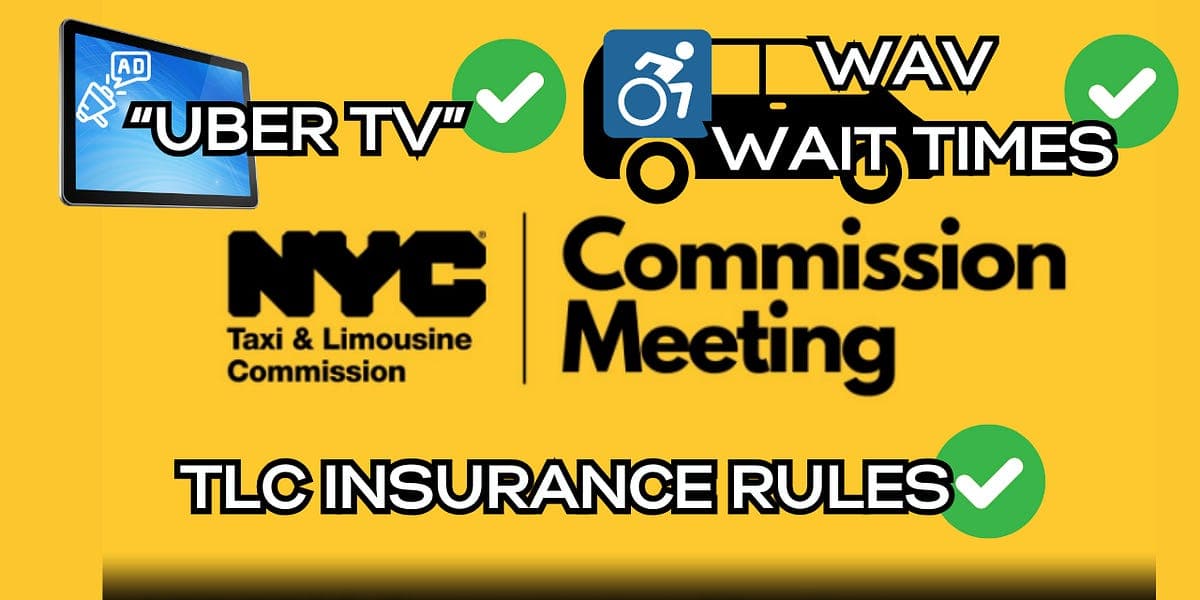
NYC TLC drivers face significant insurance cost increases in 2026. Learn about the 25% rate hike over three years, what's driving it, and how to prepare.
2026 FHV Insurance Rate Hikes: What NYC Drivers Need to Know
The New York taxi and for-hire vehicle (FHV) industry is bracing for one of its most significant cost increases in recent memory. State officials have announced that insurance rates across the sector will rise by an average of 25% over the next three years, creating serious financial challenges for TLC drivers who depend on their vehicles for income. This phased-in approach, which begins on March 1, 2026, represents a major shift in the landscape of NYC rideshare insurance and will impact every driver working for Uber, Lyft, and other transportation network companies.
For drivers, this translates to approximately $1,500 or more in additional annual insurance costs, according to the New York Taxi Workers Alliance. Understanding these changes, their causes, and how to navigate them is essential for anyone operating a vehicle in the NYC TLC system.
The Crisis Behind the Rate Increase
The root cause of these dramatic insurance increases stems from the financial collapse of American Transit Insurance Company, which once dominated the FHV market with nearly 60% of all policies. The company's insolvency has created a destabilizing effect across the entire industry, forcing New York's Department of Financial Services (DFS) to intervene with regulatory measures.
American Transit Insurance had built its massive market share largely on unsustainably low policy rates. For decades, the company failed to maintain adequate financial reserves to cover the losses it insured, creating a dangerous imbalance between premiums collected and claims paid out. This structural problem finally caught up with the company, leaving thousands of NYC taxi and rideshare drivers scrambling to find alternative coverage.
The DFS, which regulates insurance in New York State, determined that the only viable solution was to require all remaining insurance carriers to raise their rates to "actuarially justified levels." In insurance terminology, this means rates that accurately reflect the actual risk and expected claims costs associated with covering FHV drivers.
Understanding the Phased-In Approach
While a sudden 25% rate increase would be devastating, New York officials have implemented a phased-in structure to ease the burden. The rate adjustments will be rolled out on a staggered basis throughout 2026 and into 2027 and 2028, with each driver's renewal date determining when their rate increase takes effect.
Key timeline details:
- Rate increases begin March 1, 2026
- Different carriers will implement increases at different times
- The 25% average increase is spread over three years rather than applied all at once
- All drivers must receive at least 60 days notice before their policy renewal
- Increases will vary by carrier since the DFS has only approved average rate changes
This approach, while still challenging, gives TLC drivers time to adjust their business strategies and allows policymakers to collaborate with industry stakeholders on potential solutions, including possible adjustments to passenger fares.
What's Driving Insurance Costs Across the Industry
The FHV insurance crisis doesn't exist in isolation. Broader trends in the insurance industry are contributing to rate increases across multiple sectors. Understanding these factors helps explain why insurance costs are rising for everyone, not just NYC taxi and rideshare drivers.
Medical Cost Inflation: Insurance carriers are assuming medical costs will increase by 7% to 8% annually in 2026. This includes higher prices from healthcare providers, rising prescription drug costs, increased utilization of certain medical services, and the impact of new medical technologies.
Regulatory Changes: New York City has made some adjustments to TLC requirements. The city reduced the no-fault insurance requirement from $200,000 to $100,000, which provides some relief. However, this modest reduction is far outweighed by the broader rate increases mandated by the state.
Marketplace Competition: With American Transit Insurance removed from the market, fewer carriers are competing for FHV business. This reduced competition naturally leads to higher pricing power for the remaining insurers. The barrier to entry in this specialized market is high, which means new competitors won't quickly fill the void.
Claims Experience: The insurance industry relies on historical claims data to set future rates. If FHV drivers have filed more claims or more expensive claims in recent years, insurance carriers adjust their rates accordingly. The volatile conditions in NYC following the COVID-19 pandemic, changes in driver behavior, and inflation in repair costs have all impacted claims trends.
Impact on Individual Drivers and the Broader Industry
For an individual TLC driver, $1,500 in additional annual insurance costs represents a significant hit to earnings. According to industry sources, many NYC rideshare drivers operate on relatively thin profit margins, especially after accounting for vehicle payments, fuel, maintenance, and other operational costs.
How this affects different driver categories:
Uber and Lyft Drivers: These drivers typically carry the minimum FHV insurance requirements. For a standard livery vehicle or black car with 1-7 passenger capacity, the minimum includes $100,000 per person, $300,000 per occurrence CSL (combined single limits), and $200,000 PIP (personal injury protection). An increase in these costs translates directly to reduced take-home pay unless fares increase proportionally.
Luxury Limousine Operators: These drivers must carry higher insurance limits: $500,000 per person and $1 million per occurrence for 1-7 passenger vehicles. The 25% increase on these already-substantial premiums results in even larger dollar increases.
Multi-Passenger Vehicle Operators: Drivers operating vehicles with 8-15 or 16-20 passenger capacity face the highest insurance costs due to their elevated minimum requirements. While fewer in number, these drivers will bear disproportionately large cost increases.
The DFS and state officials recognize that drivers cannot absorb these costs entirely without assistance. The phased-in approach includes language about "potential adjustments to passenger fares," suggesting that regulators expect Uber, Lyft, and other platforms to share some of the burden by increasing what they pay drivers or allowing passengers to see higher fares.
Regulatory Context and Recent Changes
New York has made several insurance-related changes in recent years, some helpful and some neutral. Understanding the full regulatory picture provides context for where the industry is headed.
The No-Fault Insurance Reduction: NYC reduced the required PIP (personal injury protection) coverage from $200,000 to $100,000 for standard FHV vehicles with 1-7 passengers. While this sounds helpful, it's a modest reduction and only applies to one component of overall insurance costs. The liability portions of policies, which are typically larger, have not been reduced and are subject to the state-wide rate increases.
Minimum Insurance Requirements: The current TLC regulations specify that livery vehicle and black car operators must maintain the following minimum insurance:
- $100,000 per person liability
- $300,000 per occurrence liability
- $200,000 PIP (newly reduced from $200,000)
These remain among the lowest thresholds in the nation, but they provide no protection against the rate increases driven by industry-wide factors.
California's Emerging Model: While this impacts NYC drivers indirectly, it's worth noting that California's Senate Bill 371 has shifted some insurance responsibilities from individual drivers to transportation network companies themselves. Under this model, Uber and Lyft must maintain certain coverage rather than relying entirely on driver policies. This approach, if adopted nationally or in New York, could eventually change how insurance costs are allocated.
The Broader Context of American Transit Infrastructure Costs
Interestingly, the 2026 insurance increases coincide with broader concerns about American Transit infrastructure investment. A recent report from Transportation for America highlights that achieving world-class transit service in major U.S. cities would require nearly tripling the national transit fleet and substantially increased investment.
While this doesn't directly cause the insurance rate increases, it reflects the broader reality that transportation infrastructure and services cost more than many stakeholders have historically invested. The insurance crisis in NYC is, in some sense, a manifestation of the broader challenge: providing safe, reliable transportation services requires adequate financial resources.
Strategies for NYC TLC Drivers to Manage Rising Costs
While drivers cannot prevent these rate increases, several strategies can help mitigate their impact:
1. Review Your Coverage Early: Don't wait until your renewal notice arrives. Contact your insurance broker or carrier now to understand your current rate structure and ask about any available discounts. Some carriers offer discounts for defensive driving courses, vehicle safety features, or excellent driving records.
2. Optimize Your Renewal Timing: Since rate increases happen on a rolling basis, consider when your policy renewal falls. If increases are implemented gradually, you might benefit from renewing earlier in the implementation period, though this depends on your specific carrier's timeline.
3. Improve Your Driving Record: Insurance rates are heavily influenced by driving history. If you have minor violations or accidents on your record, focus on driving safely over the next several months. Newer, cleaner records will qualify for better rates as carriers implement new premium structures.
4. Invest in Vehicle Safety Features: Modern safety features, including collision avoidance systems, backup cameras, and stability control, can qualify you for insurance discounts. If you're considering a vehicle upgrade, prioritize these features.
5. Explore Platform Support: Both Uber and Lyft have insurance support programs. Some drivers are unaware of these resources. Reach out to your platform's driver support team to understand what assistance is available during this transition period.
6. Join Driver Advocacy Groups: The New York Taxi Workers Alliance and other driver organizations advocate for policies that protect driver interests. By supporting and participating in these groups, you gain access to collective bargaining power and information about regulatory developments.
7. Consider Your Business Model: If insurance costs make your current vehicle type uneconomical, consider whether switching to a different vehicle class or operating model makes sense. For example, some drivers might benefit from operating as part of a collective or cooperative arrangement.
What to Expect in Your Renewal Notice
Starting in March 2026, drivers will begin receiving renewal notices that reflect the new insurance rates. Understanding how to read and respond to these notices is important.
Your renewal notice must include:
- Clear notification of any rate change
- The effective date of the new rate
- At least 60 days advance notice before the new rate takes effect
- Your options for coverage and your right to shop for alternative carriers
Don't automatically accept your carrier's renewal. The 60-day notice period gives you time to request quotes from other carriers. While shopping around won't eliminate the rate increases, different carriers may implement different increases, and you might find a better option.
Looking Ahead: Industry Stability and Future Outlook
The insurance rate increases, while painful in the short term, represent an attempt to stabilize the FHV industry for the long term. By requiring rates to reflect actual risk and costs, regulators are ensuring that insurance carriers won't face insolvency crises like the one created by American Transit Insurance.
This should eventually lead to a more stable market with less disruption, even if current rates are higher. The alternative, allowing unsustainably low rates, would only postpone the inevitable crisis and create larger disruptions down the road.
Looking forward, several developments could affect FHV insurance:
Electric Vehicle (EV) Adoption: As more TLC drivers transition to electric vehicles, insurance rates may change. Some carriers offer discounts for EVs due to lower repair costs and improved safety features, though comprehensive claims data on EV repairs is still limited.
Autonomous Vehicle (AV) Technology: While fully autonomous vehicles remain in testing phases, the long-term trajectory of the industry includes AV technology. This could eventually change insurance requirements and costs, though widespread adoption remains years away.
Regulatory Evolution: New York policymakers are actively engaged with the FHV industry. Future regulatory changes could address insurance requirements, platform responsibilities, or driver protections in ways that affect insurance costs.
Conclusion
The 2026 FHV insurance rate increases represent a significant challenge for NYC TLC drivers. A 25% increase over three years translates to approximately $1,500 in additional annual costs for many drivers, directly impacting earnings and profitability.
These increases stem from the financial collapse of American Transit Insurance Company and reflect the broader reality that insurance carriers must charge rates that accurately reflect risk and costs. While the phased-in approach provides some relief compared to sudden increases, drivers must actively prepare for this transition.
By understanding the causes of these increases, reviewing coverage options early, maintaining excellent driving records, and advocating for driver-friendly policies, NYC TLC drivers can navigate this challenging period. The insurance industry's stabilization, while costly now, should provide a foundation for a more sustainable and reliable market in the years ahead.